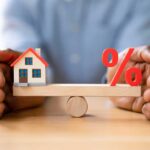
After years of rising costs and tough decisions, there’s finally some encouraging news for buyers who’ve felt priced out or stuck on the sidelines.
Buying a home is becoming more affordable.
Monthly payments have begun to ease, and the pressure buyers have felt over the past few years is slowly letting up. While affordability hasn’t fully returned to pre-pandemic levels, the improvement we’re seeing right now is meaningful — especially in a market that’s been so challenging for so long.
Affordability Is Finally Moving in the Right Direction
One of the clearest ways to track affordability is by looking at how much of a household’s income goes toward housing.
According to Zillow, housing is generally considered affordable when total costs — including the mortgage payment, taxes, insurance, and basic maintenance — take up 30% or less of monthly income.
For the past few years, that percentage climbed well above the comfort zone, putting homeownership out of reach for many buyers. But that trend has started to reverse. Zillow data shows that a typical household now needs to dedicate less of its income to housing than it did just a few years ago.

We’re not all the way back to the 30% benchmark yet, so affordability is still tight. But the direction matters — and right now, it’s improving.
What’s Driving the Improvement?
Lower affordability didn’t happen overnight, and neither will the recovery. But several key factors are finally working in buyers’ favor:
Mortgage rates have eased.
Rates are hovering near their lowest levels in more than three years, helping bring monthly payments down and improving buying power.

Home price growth has slowed.
While prices aren’t dropping nationwide, they’re rising much more gradually than before. That means fewer sudden jumps in purchase prices and more predictability for buyers.
Wages are outpacing home prices.
This is a big one. When income growth exceeds home price growth, affordability improves — even if rates don’t fall dramatically. As Mark Fleming, Chief Economist at First American, explains:
“When income growth exceeds house price growth, house-buying power improves — even if mortgage rates don’t decline meaningfully.”
Together, these trends explain why the math is starting to work a little better for buyers today than it did even a year ago. The forces that weighed heavily on affordability are finally beginning to ease.
Economists expect this gradual improvement to continue into 2026.
Where Affordability Is Improving First
The pace of improvement isn’t the same everywhere.
According to Zillow, some markets are projected to dip back below the 30% affordability threshold by the end of the year. Other areas are already seeing noticeable progress, even if they haven’t fully crossed that line yet.

That’s why local insight matters. Conditions can vary widely from one market to the next, and understanding what’s happening in your area can reveal opportunities you might not expect.
Bottom Line
For the first time in years, affordability is moving in the right direction — and that’s a meaningful shift for today’s buyers.
Because these changes are happening at different speeds depending on location, the smartest next step is to look at what this means locally. At Jet Direct Mortgage, we’re here to help you understand how today’s trends translate into real options for you.
If you’re wondering whether buying a home is more achievable now, let’s talk it through.

Experienced Chief Operating Officer with a 26 + year demonstrated history of working in the banking industry. Skilled in all aspects of the residential mortgage market . Strong business development professional with a Bachelor of Science (BS) focused in Business Administration and Management, from St. Joseph College. A direct endorsement underwriter and a licensed Mortgage Loan Originator.