Mortgage Company in Brooklyn Heights, NY 11201
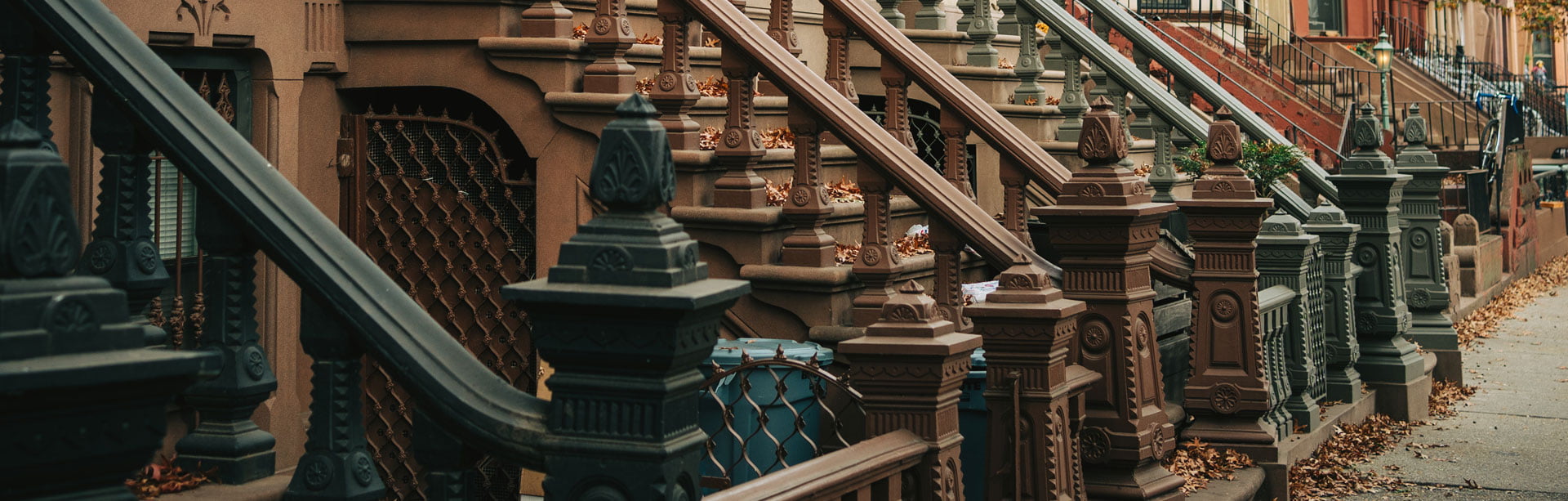
Buying a home in Brooklyn Heights means exploring one of New York City’s most historic residential neighborhoods. Located along the East River in northwestern Brooklyn, Brooklyn Heights offers a combination of traditional brownstones, historic townhouses, luxury condominiums, cooperative apartments, and waterfront residences.
Known for its tree-lined streets, nineteenth-century architecture, scenic waterfront views, and proximity to Manhattan, Brooklyn Heights provides a distinctive residential setting with convenient access to shopping, dining, recreation, and public transportation.
The neighborhood features Federal-style townhouses, Greek Revival residences, Italianate brownstones, historic apartment buildings, renovated properties, and modern condominium developments.
Whether you’re purchasing your first home, considering a historic townhouse, exploring a condominium or cooperative apartment, or refinancing your current mortgage, understanding your financing options is an important part of the process.
At Jet Direct Mortgage, we help Brooklyn Heights homebuyers and homeowners explore mortgage programs based on their individual financial circumstances.
From conventional and FHA mortgages to VA loans, jumbo financing, renovation programs, and refinancing, our team can help you evaluate available options.
Thinking about buying a home in Brooklyn Heights? Call 1-800-700-4JET to speak with a mortgage professional.
Buying a Home in Brooklyn Heights, Brooklyn, NY
Ready to Start the Mortgage Process?
Brooklyn Heights is an established residential neighborhood located along the East River in Brooklyn, New York.
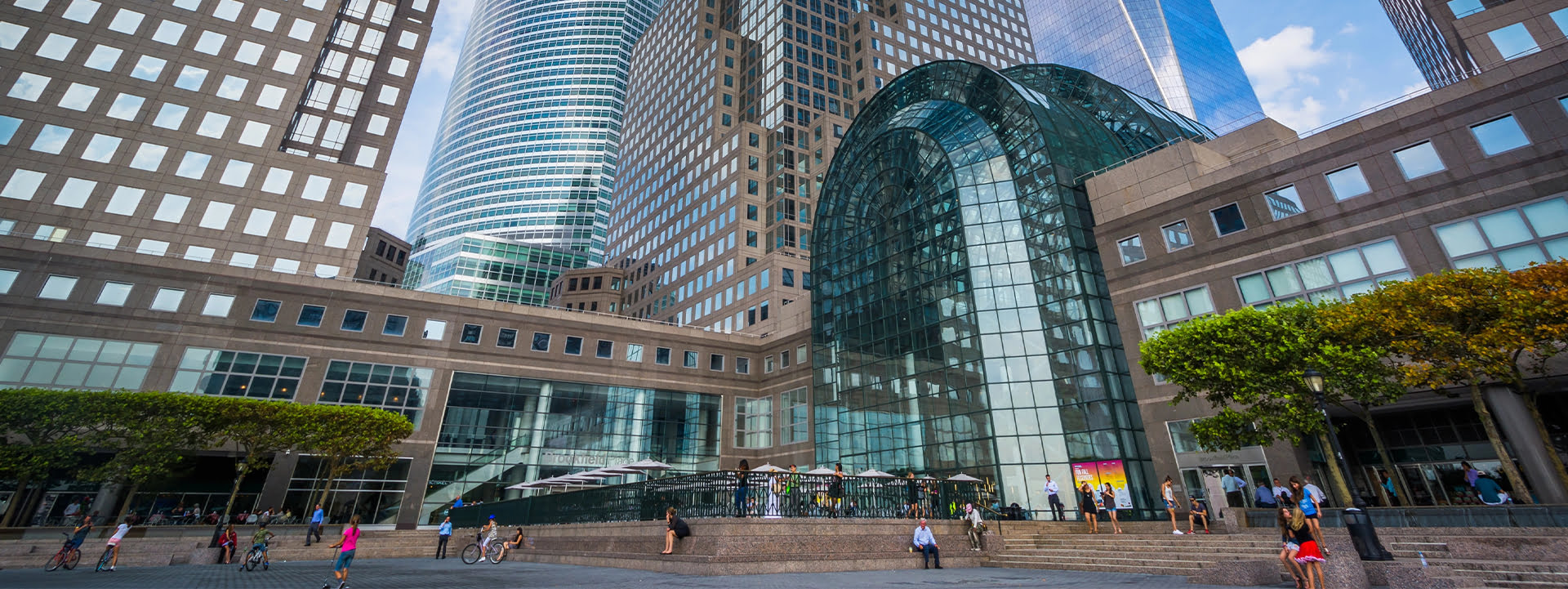
Situated near Downtown Brooklyn, DUMBO, Cobble Hill, and Boerum Hill, the neighborhood is known for its historic architecture, waterfront views, and proximity to Lower Manhattan.
Brooklyn Heights includes residential streets developed during the nineteenth century, along with apartment buildings and newer residential properties.
The neighborhood is home to New York City’s first designated historic district, established in 1965.
Housing options throughout Brooklyn Heights include:
- Historic brownstone townhouses
- Federal-style residences
- Greek Revival homes
- Italianate townhouses
- Traditional brick rowhouses
- Luxury single-family townhouses
- Two-family residences
- Cooperative apartments
- Condominium apartments
- Prewar apartment buildings
- Modern residential developments
- Waterfront residences
- Renovated historic properties
Many townhouses feature traditional stoops, decorative facades, tall windows, and multiple living levels.
Some properties retain original architectural details associated with Brooklyn’s nineteenth-century residential development.
Other buildings have undergone extensive renovations or interior modernization.
The neighborhood also includes cooperative and condominium apartments that provide alternatives to traditional townhouse ownership.
For prospective homebuyers, understanding the characteristics of each property and its financing requirements is an important part of the purchasing process.
Important considerations include:
- Property type and mortgage eligibility
- Historic district restrictions
- Age and condition of the building
- Property appraisal requirements
- Available mortgage financing percentages
- Cooperative board requirements
- Condominium project eligibility
- Building maintenance expenses
- New York City property taxes
- Transportation and commuting needs
- Total monthly ownership costs
Understanding these factors can help buyers prepare for the financial responsibilities of homeownership in Brooklyn Heights.
Mortgage Options for Brooklyn Heights Homebuyers
Jet Direct Mortgage offers several mortgage programs for qualified borrowers purchasing eligible residential properties.
The appropriate financing depends on income, credit qualifications, available assets, intended occupancy, loan amount, and property characteristics.
Because Brooklyn Heights includes historic townhouses, cooperative apartments, condominiums, and luxury residential properties, financing requirements may vary depending on the property being purchased.
Conventional Mortgage Loans
Conventional mortgages may be appropriate for buyers purchasing eligible residential properties in Brooklyn Heights.
Eligible borrowers may qualify for conventional financing of up to 97% of the purchase price through certain programs for qualifying one-unit primary residences.
Financing limits, mortgage insurance requirements, and borrower qualifications vary by program.
Conventional financing may also be available for eligible condominium units and certain cooperative apartments, depending on lender participation and program requirements.
Cooperative financing is specialized and may not be available through every lender or mortgage program.
For historic townhouses or extensively renovated residences, additional appraisal, property condition, and documentation requirements may apply.
Explore conventional and other home loan programs with Jet Direct Mortgage.
FHA Home Loans
FHA financing may provide another option for eligible borrowers purchasing a primary residence in Brooklyn Heights.
FHA loans offer financing of up to 96.5% of the purchase price for eligible borrowers, subject to FHA guidelines and lender requirements.
FHA mortgages include mortgage insurance requirements.
Eligible one-to-four-unit residential properties may qualify when applicable occupancy, property, and underwriting requirements are satisfied.
For condominium purchases, FHA project approval or applicable single-unit approval requirements may apply.
Standard FHA purchase financing generally does not apply to traditional cooperative apartment purchases.
Properties must meet applicable FHA appraisal, safety, and condition standards.
Because Brooklyn Heights includes many higher-value properties, buyers should review applicable FHA loan limits before selecting a home.
VA Mortgage Financing
Eligible veterans, active-duty service members, and certain surviving spouses may qualify for VA mortgage financing.
Eligible borrowers may qualify for up to 100% financing through VA loan programs, depending on entitlement, occupancy, property eligibility, and underwriting requirements.
Eligible townhouses and condominium units may qualify when applicable VA requirements are satisfied.
Condominium properties must meet applicable VA project approval requirements.
Traditional cooperative apartment purchases generally are not eligible for standard VA purchase financing.
VA purchase financing generally requires qualifying primary-residence occupancy.
For eligible buyers purchasing a home in Brooklyn Heights, VA financing may provide an alternative to conventional and FHA mortgage programs.
Jumbo Mortgage Financing
Brooklyn Heights includes higher-value residential properties that may require jumbo mortgage financing.
A jumbo mortgage generally exceeds the applicable conforming loan limit.
Jumbo financing may be relevant for buyers purchasing:
- Historic brownstone townhouses
- Luxury single-family residences
- Larger condominium apartments
- Extensively renovated properties
- Higher-value waterfront residences
- Eligible luxury residential properties
Depending on the program, qualification may involve additional review of income, credit history, assets, financial reserves, and property characteristics.
Available financing percentages vary by jumbo loan program and borrower qualifications.
Luxury properties with unique architectural features or limited comparable sales may require additional appraisal analysis.
Not every Brooklyn Heights property requires jumbo financing.
Financing Historic Brownstones in Brooklyn Heights
Brooklyn Heights is known for its historic brownstones and traditional Brooklyn townhouses.
These properties contribute to the neighborhood’s distinctive architectural character.
Many brownstones feature decorative facades, traditional stoops, multiple floors, and historic interior details.
Some residences retain original fireplaces, moldings, staircases, and other architectural elements.
Others have undergone extensive renovations or modernization.
For buyers evaluating historic brownstones, lenders may consider:
- Roof condition and remaining useful life
- Heating and cooling systems
- Electrical and plumbing systems
- Structural condition
- Foundation and drainage concerns
- Property appraisal requirements
- Building permits for completed renovations
- Applicable mortgage program guidelines
Older townhouses may require additional maintenance or improvements compared with recently constructed properties.
Properties with extensive renovations may also require documentation of completed work and applicable building approvals.
Buyers should verify that significant improvements were completed in accordance with applicable New York City requirements.
Financing Luxury Townhouses in Brooklyn Heights
Brooklyn Heights includes larger historic townhouses and extensively renovated luxury residences.
Some properties feature multiple living levels, private gardens, rooftop terraces, and modern interiors.
Others combine traditional architectural exteriors with contemporary renovations.
Financing considerations may include:
- Property appraisal requirements
- Loan amount and lending limits
- Borrower income and asset documentation
- Financial reserve requirements
- Property condition
- Building renovation history
- Historic district restrictions
- Insurance coverage
- Applicable mortgage program guidelines
Properties with unique architectural characteristics or extensive renovations may require additional appraisal analysis.
For buyers considering high-value townhouses, understanding jumbo mortgage requirements before making an offer can help establish realistic financing expectations.
Financing Cooperative Apartments in Brooklyn Heights
Brooklyn Heights includes cooperative apartment buildings that provide an alternative to traditional condominium ownership.
In a cooperative building, buyers generally purchase shares in a corporation that owns the property and receive a proprietary lease granting occupancy rights to a specific apartment.
This ownership structure differs from purchasing a condominium unit.
Cooperative financing may involve additional requirements.
Important considerations include:
- Cooperative corporation financial statements
- Building reserve funds
- Monthly maintenance charges
- Cooperative board approval
- Share allocation
- Building insurance coverage
- Underlying building mortgage obligations
- Financing restrictions
- Applicable lender requirements
Some cooperative buildings impose limits on financing percentages or establish financial requirements for prospective purchasers.
Board approval may also be required before a purchase can be completed.
Not every mortgage lender finances cooperative apartments.
Buyers should confirm financing availability and cooperative building requirements before proceeding.
Financing Condominiums in Brooklyn Heights
Brooklyn Heights includes condominium developments ranging from smaller residential buildings to modern luxury properties.
Condominium ownership generally involves purchasing an individual residential unit while sharing responsibility for certain common areas.
Financing considerations may include:
- Condominium project eligibility
- Homeowners association financial statements
- Association reserve funding
- Building insurance coverage
- Monthly common charges
- Pending special assessments
- Owner-occupancy and other project requirements
- Property appraisal
- Applicable mortgage program guidelines
Some condominium projects may require additional documentation during underwriting.
Not every condominium development qualifies for every mortgage program.
Buyers should review association financial information, governing documents, insurance coverage, and potential assessments before purchasing.
Understanding these requirements can help buyers evaluate the complete financial responsibilities associated with condominium ownership.
Understanding the Difference Between Co-ops and Condos
Brooklyn Heights offers both cooperative apartments and condominium units.
Although these properties may appear similar, their ownership structures and financing requirements differ.
With a condominium, the buyer generally owns the individual unit as real property.
With a cooperative apartment, the buyer generally owns shares in the corporation that owns the building and receives occupancy rights through a proprietary lease.
Important differences may include:
- Ownership structure
- Financing availability
- Board approval requirements
- Monthly maintenance or common charges
- Property tax treatment
- Building financial requirements
- Subletting restrictions
- Resale procedures
- Mortgage program eligibility
Cooperative purchases often involve additional board review and financial documentation.
Condominium purchases may involve project eligibility requirements and association documentation.
Buyers should understand these differences before selecting a property or mortgage program.
Financing Two-Family and Multifamily Townhouses
Some Brooklyn Heights townhouses are legally configured as two-family or small multifamily residential properties.
Eligible owner-occupied two-to-four-unit properties may qualify for conventional, FHA, or VA financing, depending on program requirements.
Important financing considerations may include:
- Legal number of residential units
- Certificates of occupancy
- Property appraisal
- Borrower occupancy requirements
- Rental income documentation
- Property condition
- Applicable mortgage program guidelines
Some mortgage programs permit qualifying rental income to be considered during underwriting.
However, rental income treatment varies by program and borrower circumstances.
A townhouse advertised as having multiple apartments does not automatically establish that each unit is legally authorized.
Buyers should verify the property’s approved residential configuration before proceeding.
Understanding Brooklyn Heights Historic District Requirements
Brooklyn Heights became New York City’s first designated historic district in 1965.
The historic district was established to preserve the neighborhood’s distinctive architectural character.
Many properties within the district are subject to regulations administered by the New York City Landmarks Preservation Commission.
These requirements can affect certain exterior alterations and construction projects.
Important considerations may include:
- Exterior facade modifications
- Window replacements
- Door replacements
- Roof alterations
- Building additions
- Stoops and exterior staircases
- Architectural details
- Exterior materials
- Visible mechanical equipment
- Applicable preservation requirements
Certain alterations may require Landmarks Preservation Commission approval before work begins.
Additional permits from the New York City Department of Buildings may also be required.
Not every property in Brooklyn Heights is subject to identical preservation requirements.
Buyers should verify whether the specific building is located within the designated historic district or has an individual landmark designation.
Understanding these requirements is especially important for buyers planning renovations.
Understanding New York City Zoning and Building Requirements
Brooklyn Heights is located within New York City and is subject to applicable zoning and building regulations.
For buyers considering renovations, additions, or changes to a property’s use, understanding these requirements is important.
The New York City Department of Buildings administers applicable construction permits, inspections, and building requirements.
Important considerations may include:
- Existing property zoning
- Building permits
- Certificates of occupancy
- Proposed home additions
- Structural modifications
- Legal number of residential units
- Building height restrictions
- Property setbacks
- Historic district requirements
- Applicable construction codes
Some older properties may have undergone renovations or conversions during previous ownership.
Buyers should verify whether completed improvements have the required permits and approvals.
For townhouses with garden apartments, additional kitchens, or converted living spaces, confirming the legal use of those areas is especially important.
Understanding these requirements can help buyers evaluate a property’s renovation potential and avoid unexpected complications.
Understanding Property Appraisals and Home Values
Brooklyn Heights includes residential properties with substantial differences in size, architecture, renovation history, and ownership structure.
Some properties are traditional nineteenth-century townhouses.
Others include luxury condominiums, cooperative apartments, and modern residential developments.
These differences can influence property valuations and mortgage financing requirements.
Important appraisal considerations may include:
- Recent comparable property sales
- Property size and layout
- Age and overall condition
- Historic architectural characteristics
- Completed renovations
- Property location
- Ownership structure
- Building amenities
- Waterfront proximity
- Applicable mortgage program requirements
Luxury townhouses may have fewer directly comparable sales than more standardized residential properties.
Cooperative and condominium units may also require different appraisal approaches.
The appraised value can influence the maximum financing available for a property.
If the appraisal is lower than the agreed purchase price, additional financing considerations may arise.
Understanding the Brooklyn Heights Promenade
The Brooklyn Heights Promenade is one of the neighborhood’s most recognizable landmarks.
Located along the western edge of Brooklyn Heights, the promenade provides elevated views of the East River, Lower Manhattan, and New York Harbor.
The pedestrian walkway is a popular destination for residents and visitors.
Its location above the Brooklyn-Queens Expressway provides a distinctive connection between the neighborhood’s residential streets and the waterfront.
For prospective homebuyers, important considerations may include:
- Proximity to the promenade
- Waterfront views
- Pedestrian access
- Nearby parks
- Residential street characteristics
- Traffic noise
- Property location
- Transportation connections
Properties near the promenade may have different views, building characteristics, and environmental conditions than homes located farther inland.
Buyers should evaluate the specific property’s surroundings when comparing available residences.
Understanding Brooklyn Bridge Park and Waterfront Recreation
Brooklyn Heights provides convenient access to Brooklyn Bridge Park along the East River waterfront.
The park includes waterfront paths, landscaped areas, playgrounds, recreational facilities, and public gathering spaces.
Its location offers views of Manhattan, the Brooklyn Bridge, and New York Harbor.
Nearby recreational destinations include:
- Brooklyn Bridge Park
- Brooklyn Heights Promenade
- Pierrepont Playground
- Cadman Plaza Park
- Squibb Park
- Waterfront walking paths
- Neighborhood playgrounds
- Nearby cultural attractions
For prospective homebuyers, proximity to recreational destinations may influence transportation needs and neighborhood preferences.
Buyers should evaluate the specific property’s location and available amenities when comparing homes.
Understanding Montague Street and Local Shopping
Montague Street serves as one of Brooklyn Heights’ principal commercial corridors.
The street includes restaurants, cafes, retail stores, and neighborhood services.
Henry Street and nearby Court Street provide additional shopping and dining options.
The neighborhood’s proximity to Downtown Brooklyn offers access to larger commercial districts and additional amenities.
For prospective homebuyers, important considerations may include:
- Proximity to Montague Street
- Access to Henry Street
- Court Street shopping
- Local restaurants and cafes
- Neighborhood grocery stores
- Historic residential streets
- Nearby parks
- Public transportation
- Parking availability
- Commuting needs
Buyers should evaluate the specific property’s surroundings and accessibility when comparing available homes.
Understanding Brooklyn Heights’ History and Community Character
Brooklyn Heights has a history connected to New York City’s nineteenth-century residential development.
The neighborhood became an important residential community as ferry transportation connected Brooklyn with Manhattan.
During the nineteenth century, the area developed into a neighborhood of townhouses, churches, and residential streets.
Many buildings from this period remain part of the neighborhood’s architectural character.
In 1965, Brooklyn Heights became New York City’s first designated historic district.
The designation helped preserve the area’s historic buildings and streetscapes.
Today, Brooklyn Heights includes historic brownstones, luxury townhouses, cooperative apartments, condominiums, and modern residential developments.
For buyers comparing available homes, important considerations may include:
- Property age and condition
- Architectural style
- Ownership structure
- Renovation history
- Historic preservation requirements
- Building maintenance expenses
- Transportation access
- Nearby amenities
- Total ownership costs
Some buyers may prefer renovated historic residences.
Others may consider condominium apartments or cooperative properties with different ownership and maintenance responsibilities.
Understanding these differences can help buyers identify financing options that align with their goals.
Understanding Brooklyn Heights’ Location and Nearby Neighborhoods
Brooklyn Heights is located in northwestern Brooklyn along the East River.
Nearby neighborhoods include DUMBO, Downtown Brooklyn, Cobble Hill, and Boerum Hill.
Although these communities share access to regional transportation routes and local amenities, they have different residential characteristics.
Brooklyn Heights is particularly associated with historic townhouses, cooperative apartments, and established residential streets.
Downtown Brooklyn includes a greater concentration of high-rise residential and commercial buildings.
DUMBO includes converted industrial buildings, modern condominiums, and waterfront properties.
For buyers comparing homes, confirming the property’s exact location is important.
The property’s location may influence:
- Property appraisal comparisons
- Historic district requirements
- Building regulations
- Transportation access
- Nearby amenities
- Property taxes
- Total ownership costs
Buyers should verify property-specific information rather than relying solely on a neighborhood name or listing description.
Renovation Financing for Brooklyn Heights Homes
Some established residential properties in Brooklyn Heights may require repairs, modernization, or improvements.
For qualified borrowers, renovation financing may allow eligible purchase and improvement expenses to be combined into one mortgage.
Jet Direct Mortgage offers FHA 203(k) and Fannie Mae HomeStyle renovation programs.
Depending on program requirements, eligible improvements may include:
- Kitchen renovations
- Bathroom remodeling
- Roofing repairs or replacement
- Heating and cooling upgrades
- Electrical and plumbing improvements
- Energy-efficiency improvements
- Certain structural repairs
- Accessibility improvements
Renovation financing involves additional contractor, appraisal, and project documentation requirements.
For properties within Brooklyn Heights, proposed improvements may require New York City Department of Buildings permits and inspections.
Properties located within the Brooklyn Heights Historic District may also require approval from the Landmarks Preservation Commission.
For cooperative apartments, building approval and additional financing restrictions may apply.
For condominium units, association approval and project-specific requirements may also apply.
Explore renovation financing options with Jet Direct Mortgage.
Understanding Brooklyn Property Taxes and Ownership Costs
Brooklyn Heights is located within Brooklyn, one of New York City’s five boroughs.
Property owners should review applicable New York City property tax obligations when calculating their total housing expenses.
Actual property taxes depend on the property’s tax classification, assessed value, applicable tax rates, and qualifying exemptions.
For cooperative apartments, property taxes are generally paid by the cooperative corporation and incorporated into monthly maintenance charges.
Condominium owners generally pay property taxes associated with their individual units.
Eligible homeowners may qualify for property tax relief programs, including New York State’s School Tax Relief (STAR) program.
Eligibility and available benefits depend on applicable program requirements.
Buyers should also consider:
- Homeowners insurance
- Condominium insurance, when applicable
- Cooperative maintenance charges
- Condominium common charges
- Special assessments
- Mortgage insurance, when applicable
- Utility expenses
- Routine maintenance
- Property repairs
- Heating and cooling expenses
- Potential renovation expenses
For historic townhouses, buyers may need to budget for maintenance or replacement of older building systems.
Cooperative and condominium buyers should review building financial statements, reserve funds, and potential special assessments.
Understanding the complete cost of ownership can help buyers make informed financial decisions.
Understanding Brooklyn Heights’ Location and Transportation
Brooklyn Heights’ location near Downtown Brooklyn provides access to several major public transportation connections.
The neighborhood is served by nearby New York City subway stations.
The Clark Street station provides access to the 2 and 3 subway lines.
The Borough Hall station provides access to the 2, 3, 4, and 5 subway lines.
The nearby Court Street station provides access to the R subway line.
The High Street station provides access to the A and C subway lines.
Service patterns may vary depending on schedules and planned construction.
The neighborhood also provides access to local bus routes, pedestrian connections, and nearby ferry services.
For prospective homebuyers, important transportation considerations may include:
- Clark Street subway station
- Borough Hall subway station
- Court Street subway station
- High Street subway station
- Access to Lower Manhattan
- Nearby bus connections
- Brooklyn Bridge Park
- Pedestrian access
- Parking availability
- Transportation and commuting needs
Buyers should evaluate the specific property’s location and available transportation options when comparing homes.
Refinancing a Home in Brooklyn Heights
Existing Brooklyn Heights homeowners may consider refinancing when their financial circumstances or mortgage goals change.
Refinancing replaces an existing mortgage with a new loan.
Depending on eligibility, refinancing may allow homeowners to:
- Change their mortgage repayment term
- Explore different interest rate options
- Replace adjustable-rate financing with a fixed-rate mortgage
- Potentially reduce monthly principal and interest payments
- Access eligible home equity through cash-out refinancing
- Review opportunities to remove certain mortgage insurance requirements
Refinancing involves closing costs and new loan terms.
A lower monthly payment is not guaranteed, and extending a mortgage term may increase total interest costs over time.
For historic townhouses, cooperative apartments, condominiums, or luxury properties, additional appraisal and property eligibility requirements may apply.
Cooperative refinancing may require specialized financing and approval under applicable building requirements.
Homeowners should compare potential benefits with associated expenses before proceeding.
Review mortgage refinancing options with Jet Direct Mortgage.
Frequently Asked Questions About Mortgages in Brooklyn Heights
Where is Brooklyn Heights located?
Brooklyn Heights is located in northwestern Brooklyn, New York, along the East River.
The neighborhood is near Downtown Brooklyn, DUMBO, Cobble Hill, and Boerum Hill.
What ZIP code is Brooklyn Heights in?
Brooklyn Heights is primarily associated with ZIP code 11201.
Buyers should verify the ZIP code for the specific property.
How much of a home’s purchase price can I finance in Brooklyn Heights?
The amount of financing available depends on the mortgage program, borrower qualifications, and property eligibility.
Certain conventional mortgage programs offer financing of up to 97% of the purchase price for eligible one-unit primary-residence borrowers.
FHA loans may provide financing of up to 96.5% for qualified borrowers.
Eligible borrowers may also qualify for up to 100% financing through VA loan programs.
All financing options are subject to applicable program guidelines and underwriting requirements.
These financing percentages do not necessarily apply to cooperative apartments or every condominium project.
Can I get a mortgage for a brownstone in Brooklyn Heights?
Potentially.
Eligible brownstone townhouses may qualify for conventional, FHA, VA, or jumbo financing.
Approval depends on borrower qualifications, property condition, legal residential configuration, appraisal requirements, and applicable mortgage program guidelines.
Can I finance a cooperative apartment in Brooklyn Heights?
Potentially.
Cooperative apartment financing may be available through specialized lending programs.
Eligibility depends on the cooperative corporation’s financial condition, building requirements, borrower qualifications, and lender participation.
Not every lender or mortgage program finances cooperative apartments.
Can I finance a condominium in Brooklyn Heights?
Potentially.
Eligible condominium units may qualify for conventional, FHA, VA, or jumbo financing.
Approval depends on borrower qualifications, condominium project eligibility, appraisal requirements, and applicable mortgage program guidelines.
Do I need approval to renovate a historic townhouse in Brooklyn Heights?
Certain exterior renovations may require approval from the New York City Landmarks Preservation Commission if the property is located within the designated historic district or is individually landmarked.
Additional permits from the New York City Department of Buildings may also be required.
Buyers should verify applicable requirements before beginning renovations.
Can I refinance my current mortgage in Brooklyn Heights?
Yes, refinancing may be available to qualified homeowners.
Depending on eligibility, refinancing may allow borrowers to change their loan term, explore different interest rates, or access available home equity.
Homeowners should consider closing costs, property eligibility, and their long-term financial goals before refinancing.
Start Your Brooklyn Heights Mortgage with Jet Direct Mortgage
Purchasing or refinancing a home in Brooklyn Heights begins with understanding your mortgage options and the characteristics of the property.
From comparing conventional and FHA mortgages to evaluating historic brownstones, cooperative apartments, condominiums, luxury townhouses, renovation requirements, New York City historic preservation regulations, and local property taxes, Jet Direct Mortgage helps borrowers explore available programs.
Whether you’re purchasing your first home, considering a traditional Brooklyn brownstone, exploring a condominium near Montague Street, or refinancing your current home, our team can help you review your options.
Call 1-800-700-4JET to speak with a mortgage professional.
Contact Jet Direct Mortgage to get started with your Brooklyn Heights home financing.
All mortgage programs are subject to borrower qualifications, credit approval, property eligibility, occupancy requirements, underwriting requirements, and applicable program guidelines. Maximum financing percentages are not guaranteed and may vary based on loan type, property value, and borrower qualifications. Financing availability and terms may vary.
Learn more about Brooklyn Heights.
Useful links for Brooklyn Heights, NY
- Open a Brooklyn Heights, NY map
- Find the Brooklyn Heights, NY United States Post Office
- Locate nearby Brooklyn Heights, NY pharmacies
- View the current Brooklyn Heights, NY weather report
- Browse a list of Brooklyn Heights, NY public and private schools
- Brooklyn Heights, NY is located in Kings county in New York State