Complete Guide for Homeowners
For many New Yorkers, a home is not only a place to live—it’s also a powerful financial asset. If you are a homeowner in New York and are at least 62 years old, a reverse mortgage could help you convert part of your home’s equity into cash while continuing to live in the property you love.
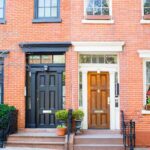
From the high-rise condos of Manhattan, to the brownstones of Brooklyn, the family neighborhoods of Queens, the row houses in the Bronx, and the suburban-style homes in Staten Island, reverse mortgages are being used by seniors across the five boroughs to add financial security and flexibility in retirement.
This guide breaks down everything you need to know about reverse mortgages in New York, including eligibility, benefits, risks, and the application process. You’ll also find answers to frequently asked questions and learn how Jet Direct Mortgage can help you decide whether this product is right for your situation.
What Is a Reverse Mortgage?
A reverse mortgage allows eligible homeowners to borrow against the equity in their home without having to sell or make monthly mortgage payments. Instead of paying the lender, the lender pays you, either through a lump sum, monthly payments, a line of credit, or a combination.
Key features:
- No monthly mortgage payments (though property taxes, insurance, and maintenance remain your responsibility).
- Stay in your home while accessing funds.
- Non-recourse loan: You or your heirs will never owe more than the home’s value when the loan is repaid.
For homeowners across New York City and the state, this financial tool can provide income stability while allowing you to age in place.
Eligibility Requirements in New York
Reverse mortgage requirements are standardized nationwide but carry special considerations for New Yorkers.
- Age: You or the youngest co-borrower must be at least 62 years old.
- Property types: Eligible homes include single-family houses, FHA-approved condos, and multi-unit residences (up to four units). Most co-ops in New York do not qualify.
- Primary residence: The home must be your main residence in Manhattan, Brooklyn, Queens, the Bronx, Staten Island, or anywhere else in New York State.
- Equity: You must own the home outright or have significant equity.
- Counseling: A HUD-approved counseling session is required.
- Ongoing obligations: You must continue paying property taxes, insurance, and maintaining the property.
Types of Reverse Mortgages
There are two main categories available in New York:
| Type | Description | Best For |
|---|---|---|
| HECM (Home Equity Conversion Mortgage) | The most common type, federally insured and regulated by HUD. Offers consumer protections and flexible payout options. | Most homeowners across NYC and the state. |
| Proprietary Reverse Mortgage | Private “jumbo” loans not backed by FHA. Typically allow higher borrowing limits. | Owners of higher-value homes, common in Manhattan and select parts of Brooklyn and Queens. |
Benefits of a Reverse Mortgage in New York
A reverse mortgage can be especially helpful for New York homeowners facing the city’s high cost of living.
- Financial flexibility: Cover medical bills, daily expenses, or home repairs.
- Stay in your borough: Continue living in your home in Queens, Brooklyn, or any NYC borough without the pressure of monthly mortgage payments.
- Protection for heirs: Your family won’t be personally liable if the loan balance exceeds your home’s value.
- Customizable payout options: Choose the structure that works best for your lifestyle.
- Peace of mind: Maintain independence and financial control during retirement.
How a Reverse Mortgage Works in New York’s Boroughs
The way reverse mortgages function is the same across New York, but the impact can differ by borough:
- Manhattan: High-value condos and townhomes may benefit from proprietary reverse mortgages with higher lending limits.
- Brooklyn: Brownstones and multi-unit homes are often excellent candidates for HECM loans.
- Queens: Popular for family homes and FHA-approved condos, offering broad reverse mortgage eligibility.
- The Bronx: Many row houses and multi-family properties qualify, making it an option for retirees in these neighborhoods.
- Staten Island: Detached, suburban-style homes often carry substantial equity, making reverse mortgages especially valuable here.
Step-by-Step Process for Getting a Reverse Mortgage in New York
Step 1: Consultation
Meet with a trusted lender like Jet Direct Mortgage to review eligibility and goals.
Step 2: Counseling
Complete mandatory counseling through a HUD-approved counselor.
Step 3: Home Appraisal
A licensed appraiser determines your property’s market value.
Step 4: Financial Assessment
Your ability to pay taxes, insurance, and upkeep is reviewed.
Step 5: Loan Selection
Choose between a HECM or proprietary reverse mortgage.
Step 6: Application and Underwriting
The lender verifies documents, counseling certificate, and appraisal.
Step 7: Closing
Finalize paperwork and select your payout method.
Step 8: Ongoing Support
Your lender remains available to answer questions after closing.
Frequently Asked Questions
Q: Can I qualify for a reverse mortgage if I live in a condo in Manhattan or Queens?
Yes, as long as the condo is FHA-approved.
Q: What if I own a co-op apartment in New York City?
Most co-ops do not qualify, though future rule changes may allow more flexibility.
Q: Will a reverse mortgage affect my Social Security or Medicare benefits?
No. Proceeds are considered loan advances, not income.
Q: How much can I borrow?
It depends on your age, home equity, interest rates, and the loan program selected.
Q: Do I lose ownership of my home?
No. You retain the title to your home as long as you meet property obligations.
Q: What happens when I pass away?
The loan becomes due. Your heirs can repay the loan and keep the home, or sell the property to settle the balance.
Q: Can I get a reverse mortgage on a multi-family property in Brooklyn or the Bronx?
Yes, up to four-unit properties qualify if you live in one of the units as your primary residence.
Why Work With Jet Direct Mortgage
Choosing a reverse mortgage is a major financial decision, and selecting the right partner is essential. Jet Direct Mortgage offers:
- Local expertise: Knowledge of New York City’s borough-specific housing market.
- Full range of options: Access to both HECM and proprietary reverse mortgages.
- Transparent guidance: Clear explanations of benefits, costs, and obligations.
- Personalized support: Assistance from initial consultation through closing and beyond.
Conclusion
A reverse mortgage in New York can provide retirees with flexibility, peace of mind, and financial stability while staying in the home and borough they love. From Manhattan condos to Brooklyn brownstones, from Queens family homes to Bronx row houses and Staten Island bungalows, homeowners across New York can use this tool to make retirement more secure.
With expert support from Jet Direct Mortgage, you can explore whether a reverse mortgage is right for you and move forward with confidence.
Resources
- U.S. Department of Housing and Urban Development (HUD) – Reverse Mortgage Basics
- Federal Housing Administration (FHA) – Home Equity Conversion Mortgage Program
- Consumer Financial Protection Bureau (CFPB) – Reverse Mortgage Consumer Guide
- National Reverse Mortgage Lenders Association (NRMLA)

Experienced Chief Operating Officer with a 26 + year demonstrated history of working in the banking industry. Skilled in all aspects of the residential mortgage market . Strong business development professional with a Bachelor of Science (BS) focused in Business Administration and Management, from St. Joseph College. A direct endorsement underwriter and a licensed Mortgage Loan Originator.