12 Tips From a Mortgage Banker in New York for First-Time Buyers
Discover 12 expert tips from a mortgage banker in New York for first-time buyers, including pre-approval, down payments, loan options, and more.
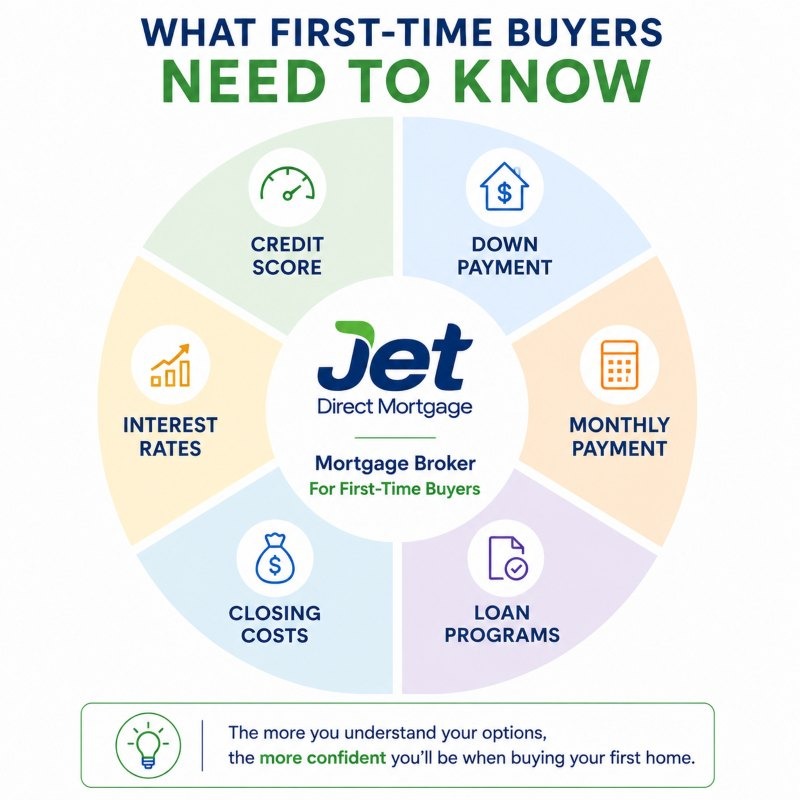
Buying your first home is exciting, but the mortgage process can quickly become overwhelming. Between down payments, credit scores, closing costs, loan programs, and fluctuating interest rates, first-time buyers often find themselves making major financial decisions without fully understanding all their options.
Unlike a mortgage broker, who acts as an intermediary between borrowers and multiple lenders, a mortgage banker works directly with you throughout the financing process. From pre-approval to closing, your lender helps evaluate your financial situation, recommend loan programs you may qualify for, and guide you through each stage of your home purchase.
Many first-time buyers assume they need a perfect credit score. In reality, there are often more financing options available than people realize.
Whether you’re purchasing a home on Long Island, a condo in New York City, or a property elsewhere in the state, the right preparation can help you avoid costly mistakes and move forward with confidence.
In this guide, we’ll share 12 practical tips from a mortgage banker in New York for first-time buyers, including how to prepare your finances, compare loan options, strengthen your offer, and make smarter homebuying decisions.
This advice can help any first-time homebuyer understand the process more clearly and avoid common pitfalls that can delay or complicate a home purchase.
By following these recommendations and working with an experienced mortgage banker for first-time homebuyers, you’ll be in a much stronger position to navigate New York’s competitive housing market and achieve your homeownership goals.
Tip #1: Get Pre-Approved Before You Start House Hunting
One of the most common mistakes first-time buyers make is looking at homes before understanding how much they can realistically borrow.
While it’s tempting to start browsing listings immediately, speaking with a mortgage banker in New York for first-time buyers before you begin house hunting can save time, reduce stress, and help you focus on homes that fit your budget.
A pre-approval gives you a clearer picture of:
How much you may be able to borrow
Your estimated monthly payment
The loan programs you may qualify for
The down payment required
Potential issues that should be addressed before making an offer
Many buyers confuse pre-approval with pre-qualification, but they’re not the same thing.
A pre-qualification is often based on information you provide verbally. A pre-approval typically involves a more detailed review of your income, assets, credit history, and financial documentation.
This additional review can make a significant difference when it’s time to submit an offer.
In competitive markets throughout New York, sellers often want reassurance that a buyer has already taken meaningful steps toward securing financing. Having a pre-approval in hand demonstrates that you’re serious, prepared, and ready to move forward if your offer is accepted.
Just as importantly, pre-approval can help prevent disappointment.
For example, you may believe you can comfortably afford a $700,000 home, only to discover that property taxes, homeowners insurance, and other monthly expenses significantly impact your budget.
Understanding these numbers early allows you to shop with confidence and avoid falling in love with homes that may not be financially realistic.
A mortgage banker in New York for first-time buyers can also identify potential issues before they become problems. Whether it’s a credit score concern, documentation requirement, or debt-to-income ratio challenge, it’s usually much easier to address these matters before you start making offers.
The bottom line is simple: before you spend time touring homes, spend time understanding your financing options. The stronger your preparation, the smoother your homebuying journey is likely to be.
Tip #2: Focus on What You Can Comfortably Afford, Not Just What You Qualify For
One of the biggest mistakes first-time buyers make is assuming that the amount they’re approved for is the amount they should spend.
In reality, there’s an important difference between what a lender is willing to lend and what fits comfortably within your lifestyle and financial goals.
A lender may approve you for a higher loan amount based on your income, debts, and credit profile. However, that doesn’t necessarily mean you’ll feel comfortable making that payment every month.
This is where working with a mortgage banker in New York for first-time buyers can provide valuable perspective.
Rather than focusing solely on your maximum borrowing power, a mortgage banker can help you evaluate how a mortgage payment fits into your overall budget.
For example, consider two buyers who are both approved for a $700,000 home. One may have substantial savings, minimal monthly expenses, and significant financial flexibility. The other may have childcare costs, student loans, car payments, or plans to grow their family in the near future.
Even though both buyers qualify for the same loan amount, the right budget may be very different.
It’s also important to remember that your mortgage payment is only one part of the equation. Property taxes, homeowners insurance, utilities, maintenance costs, and unexpected repairs all contribute to the true cost of homeownership.
Lender Focus
Personal Budget Focus
Questions to Ask Yourself
Income
Lifestyle goals
Will I still be comfortable if my expenses increase?
Debt-to-income ratio
Monthly comfort level
Can I comfortably afford this payment every month?
Credit score
Emergency savings
Will I still have cash reserves after closing?
Employment history
Future financial plans
Am I planning major life changes in the next few years?
Assets
Travel, childcare, retirement, and other priorities
Will this mortgage support the lifestyle I want?
Maximum loan approval
Long-term financial security
Just because I qualify, does it mean I should borrow this much?
Many first-time buyers find that purchasing below their maximum approval amount gives them greater financial flexibility and peace of mind after closing. Owning a home should feel exciting, not financially stressful.
That’s why one of the smartest things you can do before buying your first property is determine what monthly payment feels comfortable for your situation, not simply what a lender says you can afford.
A mortgage banker for first-time homebuyers can help you evaluate different scenarios and identify a budget that supports both your homeownership goals and your long-term financial wellbeing.
Tip #3: Don’t Spend Every Dollar on Your Down Payment
Many first-time buyers spend months focused on saving for a down payment. While having enough money to close on your home is important, what happens after closing is just as important.
One of the most common mistakes a mortgage banker in New York for first-time buyers sees is buyers using nearly all of their available savings to maximize their down payment.
On paper, putting more money down may seem like the smartest financial move. In reality, it can leave you financially vulnerable during your first year of homeownership. Homes have a way of introducing unexpected expenses shortly after you move in.
You may discover that:
The water heater needs replacing
An appliance stops working
The HVAC system requires repairs
You need new furniture
Moving expenses were higher than expected
Property taxes or insurance costs are higher than anticipated
None of these situations are unusual. The problem is that many first-time buyers assume their financial journey ends on closing day. In reality, that’s when homeownership begins.
A Home Should Strengthen Your Finances, Not Drain Them
One of the biggest advantages of working with a mortgage banker for first-time homebuyers is evaluating different scenarios before making a decision. The goal isn’t simply to buy a home, it’s to do it while maintaining financial flexibility.
Sometimes the smartest mortgage strategy isn’t the one that requires the largest down payment. It’s the one that allows you to become a homeowner while still keeping enough money available for the unexpected.
That’s a lesson many buyers only learn after they move in. The best time to think about it is before you buy.
Tip #4: Compare Loan Programs Before You Compare Homes
Many first-time buyers spend weeks comparing homes but only a few minutes comparing mortgage programs. That can be a costly mistake.
One of the most valuable things a mortgage banker in New York for first-time buyers can do is help you understand that not all mortgages are created equal. Different loan programs have different requirements, down payments, credit score guidelines, and long-term costs.
For example, many first-time buyers automatically assume they need a conventional mortgage because it’s the most common option. In reality, an FHA loan may allow them to purchase sooner with a lower down payment. Others may qualify for first-time homebuyer programs that they didn’t even know existed.
The mortgage you choose can influence:
How much money you need upfront
Your monthly payment
Your interest rate
Mortgage insurance costs
Your cash reserves after closing
How quickly you can become a homeowner
Common Loan Options for First-Time Buyers
A mortgage banker in New York for first-time buyers can help you compare several types of mortgage programs, including:
Conventional Loans – Popular among buyers with strong credit and stable income who want flexible financing options.
FHA Loans – Designed to make homeownership more accessible with lower down payment requirements and more flexible credit guidelines.
VA Loans – Available to eligible veterans, active-duty service members, and certain military spouses, often with no down payment requirement.
Jumbo Loans – Intended for higher-priced properties that exceed conventional loan limits in many New York markets.
First-Time Homebuyer Programs – May provide down payment assistance, grants, or other benefits for qualified buyers.
Refinance Loans – Allow homeowners to potentially lower their rate, change loan terms, or access home equity.
Fixed-Rate Mortgages – Offer predictable monthly principal and interest payments throughout the life of the loan.
Tip #5: Improve Your Credit Before You Apply, Not After
Many first-time buyers don’t think about their credit score until they’re ready to submit a mortgage application. Unfortunately, by that point, it may be too late to make meaningful improvements before lenders evaluate their financing options.
One of the smartest things you can do before working with a mortgage banker in New York for first-time buyers is review your credit profile several months before you plan to purchase a home.
Even a modest increase in your credit score can improve your mortgage options and potentially reduce borrowing costs. Common issues that affect credit scores include:
High credit card balances
Missed or late payments
Errors on credit reports
Excessive credit inquiries
Recently opened accounts
High credit utilization ratios
The good news is that many of these issues can be addressed with enough preparation.
Small Improvements Can Make a Big Difference
Imagine two first-time buyers purchasing similar homes.
Buyer A has a credit score of 640.
Buyer B has a credit score of 720.
While both buyers may qualify for financing, Buyer B will often have access to a wider range of mortgage products and potentially more favorable loan terms.
That’s why improving your credit before applying for a mortgage can be one of the highest-return activities in the entire homebuying process.
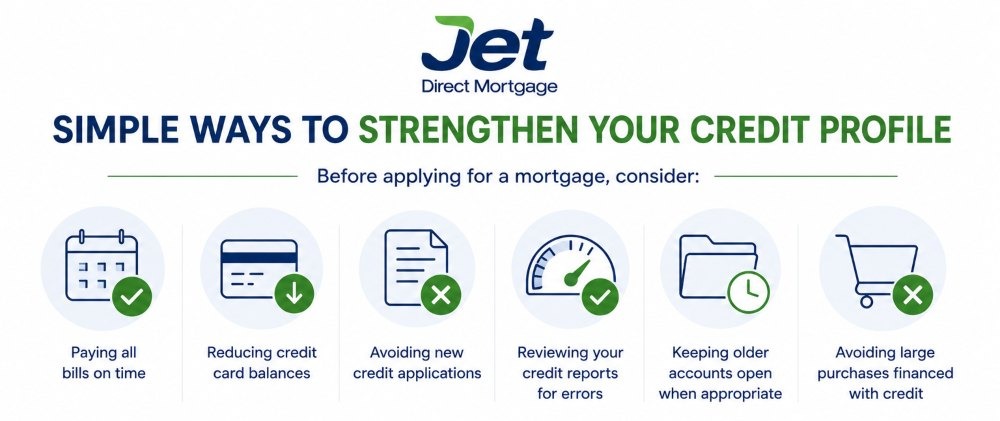
Simple Ways to Strengthen Your Credit Profile
Before applying for a mortgage, consider:
Paying all bills on time
Reducing credit card balances
Avoiding new credit applications
Reviewing your credit reports for errors
Keeping older accounts open when appropriate
Avoiding large purchases financed with credit
A mortgage banker for first-time homebuyers can often identify potential credit concerns early and help you understand how they may affect your financing options. The goal isn’t necessarily to achieve a perfect credit score.
The goal is to put yourself in the strongest possible position before you begin the mortgage process. The more prepared you are before applying, the more options you’re likely to have when it’s time to purchase your first home.
Tip #6: Avoid Making Major Financial Changes Before Closing
Getting pre-approved is a major milestone, but it doesn’t mean the mortgage process is over.
One of the most common misconceptions among first-time buyers is that once they’re approved, they can return to business as usual. In reality, lenders continue reviewing your financial situation throughout the mortgage process, and significant changes can sometimes create unexpected complications before closing.
That’s why a mortgage banker in New York for first-time buyers will often recommend keeping your finances as stable as possible until you’ve officially received the keys to your new home.
Common actions that can affect your mortgage application include:
Opening a new credit card
Financing a vehicle
Taking out a personal loan
Missing credit card payments
Making large unexplained bank deposits
Changing jobs or income sources
Increasing your credit card balances significantly
Even positive financial decisions can sometimes require additional documentation or review if they occur during the mortgage process.
Financial Moves to Avoid Before Closing
Action
Why It Can Be a Problem
Better Alternative
Opening a new credit card
May affect your credit score and debt profile
Wait until after closing
Financing a car
Increases monthly debt obligations
Delay major purchases
Taking out a personal loan
Can impact debt-to-income ratios
Discuss options with your mortgage professional first
Missing a payment
May negatively affect your credit profile
Set up automatic payments if possible
Large cash deposits
May require additional documentation
Keep detailed records of any transfers
Changing jobs
Can create additional underwriting requirements
Discuss timing with your lender or broker
Large credit card purchases
May increase credit utilization
Postpone discretionary spending
Keep Things Boring Until Closing Day
This may sound simple, but it’s one of the most valuable pieces of advice for first-time buyers. The weeks between contract signing and closing are not the ideal time to finance furniture, buy a new car, apply for multiple credit cards, or make major financial changes.
The smoother and more predictable your financial profile remains, the easier it is for lenders to finalize your loan. A mortgage banker for first-time homebuyers can help you understand which activities are unlikely to cause concern and which changes could potentially delay the approval process.
The goal is simple: once you’re on track for approval, stay on track until closing day. A little patience now can help prevent unnecessary stress later.
Tip #7: Explore First-Time Homebuyer Assistance Programs Early
Many first-time buyers spend years saving for a home without realizing they may qualify for programs designed specifically to help them purchase sooner.
This is one of the most overlooked opportunities a mortgage banker in New York for first-time buyers can help uncover.
Across New York, there are various programs that may help eligible buyers reduce upfront costs through down payment assistance, grants, closing cost assistance, or special financing options.
The challenge is that many buyers never explore these opportunities. Instead, they assume they need a much larger down payment than they actually do or postpone homeownership because they believe they haven’t saved enough money yet.
Why Timing Matters
Many assistance programs have specific eligibility requirements, income limits, property restrictions, or application procedures. The earlier you investigate these programs, the more options you may have available.
Waiting until you’ve already found a home can sometimes limit your choices or create unnecessary pressure during the buying process.
Example: Waiting vs. Buying Sooner
Imagine you’re planning to purchase a home.
After speaking with a mortgage banker for first-time homebuyers, you discover that you qualify for a loan program with a significantly lower down payment requirement, along with a first-time buyer assistance program that helps offset some of your closing costs.
Instead of waiting several more years to reach a savings goal you thought was required, you may be able to move forward much sooner while still purchasing responsibly within your budget.
Don’t Assume You Know What’s Available
Many buyers spend countless hours browsing real estate listings while spending very little time researching financing options.
The reality is that the right loan program or assistance opportunity can sometimes have a greater impact on affordability than months or even years of additional saving.
A mortgage banker in New York for first-time buyers can help identify programs that align with your income, location, property type, and financial goals.
Sometimes the biggest obstacle to homeownership isn’t your credit score, income, or savings account. It’s simply not knowing what opportunities are available. That’s why exploring assistance programs early can be one of the smartest moves you make during your homebuying journey.
Tip #8: Build Your Homebuying Team Before You Need Them
Most first-time buyers spend months searching for homes but wait until the last minute to assemble the professionals who will help them complete the purchase. That can create unnecessary stress and delays.
A successful home purchase often involves several key professionals working together, including:
A mortgage broker
A real estate agent
A real estate attorney
A homeowners insurance provider
A home inspector
By building your team early, you can move faster when the right property becomes available and avoid scrambling to find trusted professionals during critical stages of the transaction.
A mortgage banker in New York for first-time buyers can often recommend experienced professionals and help coordinate the financing side of the process from pre-approval through closing.
The right homebuying team won’t just help you buy a home, they can help make the entire experience smoother, faster, and less stressful.
Tip #9: Think Beyond the Interest Rate
When comparing mortgage offers, many first-time buyers focus almost entirely on the interest rate. While the rate is important, it’s only one part of the overall picture.
A mortgage with a slightly lower rate may come with higher closing costs, additional fees, or terms that don’t align with your long-term plans.
That’s why a mortgage banker in New York for first-time buyers will typically encourage you to evaluate the total cost of the loan, not just a single number.
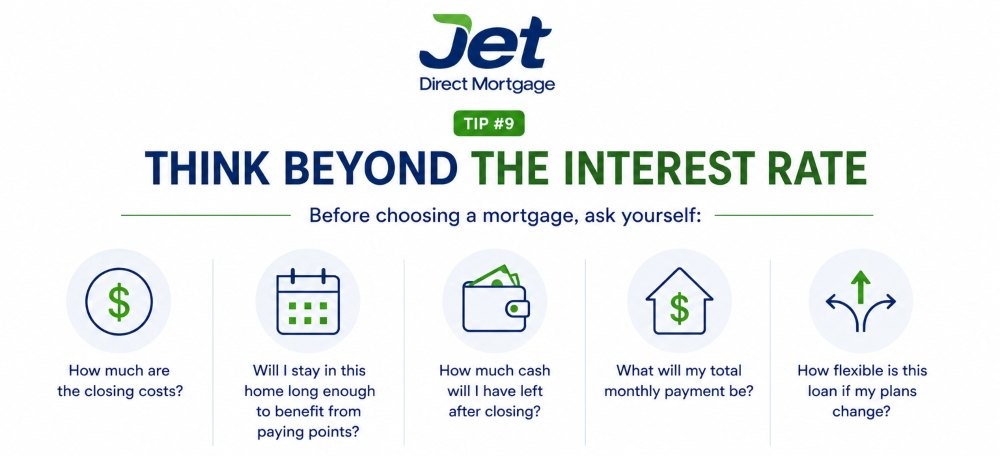
Before choosing a mortgage, ask yourself:
How much are the closing costs?
Will I stay in this home long enough to benefit from paying points?
How much cash will I have left after closing?
What will my total monthly payment be?
How flexible is this loan if my plans change?
The best mortgage isn’t always the one with the lowest advertised rate. It’s the one that fits your budget, goals, and financial situation both today and years from now.
A mortgage banker for first-time homebuyers can help you understand the trade-offs and compare offers based on the complete financial picture, not just the headline rate.
Tip #10: Don’t Wait for the “Perfect Time” to Buy
Many first-time buyers spend years waiting for the perfect combination of lower interest rates, lower home prices, and ideal market conditions. The problem is that the perfect time rarely arrives.
Interest rates change. Home prices change. Inventory changes. The market is constantly moving. Instead of trying to predict what the market will do next, focus on the factors you can control:
Your income
Your credit profile
Your savings
Your monthly budget
Your long-term goals
If you’re financially prepared, have a stable income, and can comfortably afford the home you’re considering, waiting indefinitely for the “perfect” market can sometimes mean missing opportunities that are available today.
A mortgage banker in New York for first-time buyers can help you evaluate your personal readiness and understand how different market conditions may affect your financing options.
The best time to buy isn’t necessarily when rates are lowest or when prices dip. It’s when you’re financially prepared, comfortable with the monthly payment, and ready for the responsibilities of homeownership.
Tip #11: Understand the Difference Between Pre-Qualification and Pre-Approval
Many first-time buyers use the terms pre-qualification and pre-approval interchangeably, but they are not the same thing.
Understanding the difference can help you avoid surprises and position yourself more competitively when it’s time to make an offer.
A pre-qualification is typically a quick estimate based on financial information you provide. It can give you a general idea of your borrowing power, but it usually involves limited verification.
A pre-approval is more comprehensive.
During the pre-approval process, a lender reviews documents such as your income, assets, employment history, and credit profile. As a result, a pre-approval provides a much clearer picture of the loan amount you may qualify for.
Why Pre-Approval Matters
In competitive New York markets, sellers often prefer buyers who already have financing in place. A pre-approval can help you:
Shop with a realistic budget
Move quickly when you find the right home
Demonstrate financial readiness to sellers
Identify potential financing issues early
Reduce delays during the mortgage process
Pre-Qualification vs. Pre-Approval
Pre-Qualification
Pre-Approval
Basic financial estimate
Detailed financial review
Limited documentation
Income and asset verification
Preliminary borrowing range
More accurate loan amount
Useful for early planning
Stronger position when making offers
Less persuasive to sellers
Often preferred by sellers
A mortgage banker in New York for first-time buyers can help you determine when it’s time to move from pre-qualification to pre-approval and ensure you’re fully prepared before beginning your home search.
The stronger your preparation, the more confidence you’ll have when it’s time to make an offer on your first home.
Tip #12: Ask Questions Early, Not at the Closing Table
One of the biggest advantages of working with a mortgage banker in New York for first-time buyers is having someone available to answer questions throughout the process, not just when paperwork needs to be signed.
Many first-time buyers hesitate to ask questions because they assume they should already know the answers. In reality, asking questions early is one of the smartest things you can do.
The mortgage process involves dozens of financial decisions, legal documents, timelines, and costs. The more you understand before closing day, the more confident you’ll feel about your decisions.
Some of the most important questions first-time buyers should ask include:
How much cash will I need at closing?
What will my monthly payment actually be?
What happens if interest rates change before closing?
Should I lock my rate now or wait?
What are mortgage points and do they make sense for me?
How much should I keep in savings after I buy?
What happens if I want to refinance in the future?
Are there any first-time homebuyer programs I qualify for?
A good mortgage strategy isn’t built on assumptions. It’s built on understanding your options and making informed decisions.
That’s why many buyers find that the greatest value a mortgage banker for first-time homebuyers provides isn’t simply helping them get approved for a loan, it’s helping them feel confident throughout the entire homebuying journey.
The more questions you ask before closing, the fewer surprises you’ll encounter after it.
Conclusion
Buying your first home is one of the biggest financial decisions you’ll ever make, and it’s completely normal to feel overwhelmed by the process.
From understanding your budget and improving your credit to comparing loan programs and navigating closing costs, every decision can have a lasting impact on your financial future. The good news is that you don’t have to figure everything out on your own.
Working with a mortgage banker in New York for first-time buyers can help you understand your options, avoid common mistakes, and move through the homebuying process with greater confidence.
Whether you’re just starting to explore your options or you’re ready to get pre-approved, the right guidance can make a significant difference in your experience as a first-time homebuyer.
At Jet Direct Mortgage, our team helps first-time buyers navigate every stage of the mortgage process, from pre-approval to closing. We’ll help you compare loan options, understand your financing choices, and identify solutions that fit your goals and budget.
Ready to take the next step toward homeownership? Visit our contact page to speak with a mortgage professional and discuss your options:
Frequently Asked Questions
Is it better to work with a mortgage banker or a bank as a first-time buyer?
A mortgage banker can provide personalized guidance throughout the financing process while offering a range of loan programs designed to meet different borrower needs. Unlike a traditional retail bank, many mortgage bankers specialize exclusively in home loans and can provide dedicated support from pre-approval through closing.
What credit score do I need to buy a home?
Credit score requirements vary depending on the loan program. While higher credit scores often provide access to more favorable financing options, many first-time buyers qualify with lower scores than they expect.
What’s the difference between pre-qualification and pre-approval?
Pre-qualification is generally a preliminary estimate based on the financial information you provide. Pre-approval involves a more detailed review of your income, assets, employment, and credit history, giving you a clearer picture of how much you may be able to borrow.
What are closing costs?
Closing costs are expenses associated with finalizing your mortgage and home purchase. They can include lender fees, title fees, attorney fees, prepaid taxes, homeowners insurance, and other transaction-related costs.
How long does the mortgage process take?
While every transaction is different, many mortgage loans close within 30 to 45 days. Factors such as documentation, appraisals, underwriting, and the complexity of the transaction can affect the timeline.
Should I get pre-approved before looking at homes?
Yes. Getting pre-approved before you start house hunting can help you understand your budget, identify potential financing issues early, and strengthen your position when making an offer.
Can a mortgage banker help me choose the right loan program?
Yes. A mortgage banker in New York for first-time buyers can evaluate your financial situation, explain the available loan programs, and recommend financing options that align with your homeownership goals.
When should I contact a mortgage banker?
Ideally, you should speak with a mortgage banker before you begin seriously shopping for homes. Starting early gives you time to understand your budget, prepare your finances, get pre-approved, and move quickly when you find the right property.
Experienced Chief Operating Officer with a 26 + year demonstrated history of working in the banking industry. Skilled in all aspects of the residential mortgage market . Strong business development professional with a Bachelor of Science (BS) focused in Business Administration and Management, from St. Joseph College. A direct endorsement underwriter and a licensed Mortgage Loan Originator.
Start the Home Loan Process Today With Jet Direct Mobile
We’re committed to making the home loan application process as easy as possible. To that end, we have developed our very own mobile app, Jet Direct Mobile.